Rubber Material
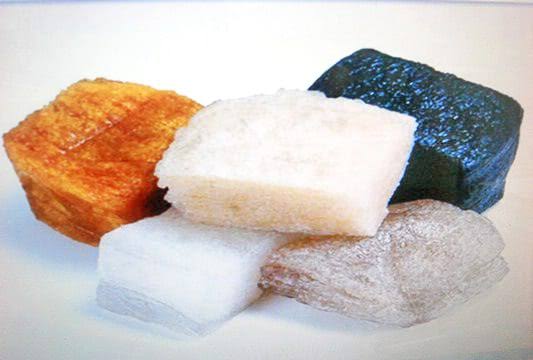
PSA Polycraft’s Rubber Raw material includes:
Raw materials are used in our production of goods. These unprocessed components serve as the foundation for manufacturing, undergoing various processes to create finished products for Rubber products.
Natural rubber (NR):
Natural rubber (NR) is a type of elastomer obtained from the latex sap of rubber trees, primarily the Hevea brasiliensis species. It is characterized by its flexibility, strength, resilience, and low-temperature resistance. Natural rubber is widely used in various industries, offering excellent physical properties and suitability for applications like bonded rubber/metal products, although it is not suitable for exposure to petrol, grease, oil, and ozone.
EPDM (Ethylene Propylene Diene Monomer):
EPDM stands for Ethylene Propylene Diene Monomer, and it is a type of synthetic rubber. EPDM rubber is known for its versatile use, with characteristics including excellent flexibility, resistance to abrasion, wear, and tear, high and low-temperature resistance, and low gas permeability. It is particularly resistant to ozone, steam, water, alcohols, brake fluids, and weather conditions. EPDM is commonly used in applications where weatherability and resistance to exposure are crucial, such as in automotive weather seals and roofing materials.Temperature Range: -15°C to 135°C.
Chloroprene Rubber:
Chloroprene Rubber (CR), commonly known as Neoprene, is a synthetic rubber with versatile applications. It exhibits flame resistance, robust dielectric strength, and moderate resistance to oil, ozone, water, aging, and chemicals. Neoprene is often used in various industries for its resilience and suitability for applications like gaskets, hoses, wetsuits, and automotive components.Temperature Range: -15°C to 125°C.
Nitrile rubber:
Nitrile rubber, commonly known as NBR (Nitrile Butadiene Rubber), is a synthetic elastomer with excellent resistance to petroleum products. Known for its high compression set, Nitrile rubber is resistant to oil, water, silicone greases, and tearing at high temperatures. Widely used in applications such as seals, gaskets, and O-rings, Nitrile rubber is not recommended for use with halogenated hydrocarbons, ketones, ozone, and direct sunlight.Temperature Range: -7°C to 107°C.
Styrene Butadiene Rubber (SBR):
Styrene Butadiene Rubber (SBR) is a general-purpose elastomer similar to natural rubber. Known for good adhesion, abrasion resistance, and resilience, SBR is suitable for various applications, including gaskets and adhesives, but not recommended for use in solvents, oil/gas, or direct sunlight.Temperature Range: -18°C to 105°C.
Silicone rubber:
Silicone rubber is a versatile elastomer with a broad temperature range, excellent insulation properties, and non-toxic characteristics. Widely used in applications such as medical devices, seals, and kitchenware, silicone exhibits resistance to high and low temperatures but may not be suitable for certain dynamic applications due to lower tensile strength and wear resistance.Temperature Range: -23°C to 205°C.
Polyurethane (PU):
Polyurethane (PU) elastomers offer exceptional wear resistance, tear strength, and high tensile properties, making them ideal for demanding applications. While permeable and not resistant to hydrolysis, PU exhibits good resistance to oil and is well-suited for applications requiring flexibility and durability.Temperature Range: -4°C to 80°C.
Fluorosilicone (FVMQ):
Fluorosilicone (FVMQ) is a silicone polymer with fluorinated side-chains, enhancing its resistance to oil and fuel. It is suitable for applications demanding improved oil resistance compared to traditional silicone, but care should be taken as it swells under the influence of aromatic solvents and may not be ideal for certain dynamic uses.Temperature Range: -37°C to 175°C.