Infrastructure
“PSA Polycraft: Delivering Expertly Crafted Rubber Gaskets for Perfect Sealing Excellence.”
Our infrastructure serves as a beacon of technological advancement and operational synergy, seamlessly integrating state-of-the-art facilities. Fostering innovation, it stands as a testament to our commitment to excellence, providing the robust foundation upon which our success is built.
Facility
Compounding
● Compounding, the intricate process of blending chemical elements with rubber, involves a profound understanding of polymer, vulcanizate, and curing properties, as well as component intricacies and testing requirements.
● Our expertise extends to considering factors like productivity, application environments, surface finish, and component service life, all crucial in the design of rubber compounds.
● A compound, in essence, is a specific blend of chemicals tailored to achieve desired rubber properties, translating performance specifications into customized recipes.
● We collaborate closely with universities and testing laboratories in South India for precise analyses and continuous improvement.
● Compounding, the intricate process of blending chemical elements with rubber, involves a profound understanding of polymer, vulcanizate, and curing properties, as well as component intricacies and testing requirements.
● PSAP boasts 400+ formulations based on 125+ polymer grades, continually expanding through new developments and over two decades of in-house material development.
● Our unique approach to process control involves the Compound Approval Process, ensuring consistent quality in produced elements from one lot to the next.
● Rigorous testing validates the viscoelastic properties of our compounds, maintaining high standards throughout the production process.
● PSAP employs various curing methods such as Sulphur, Peroxide, Bisphenol, Platinum, Sulphur-less, Metal oxide, and Di-amine to tailor treatments for diverse applications and polymers. .
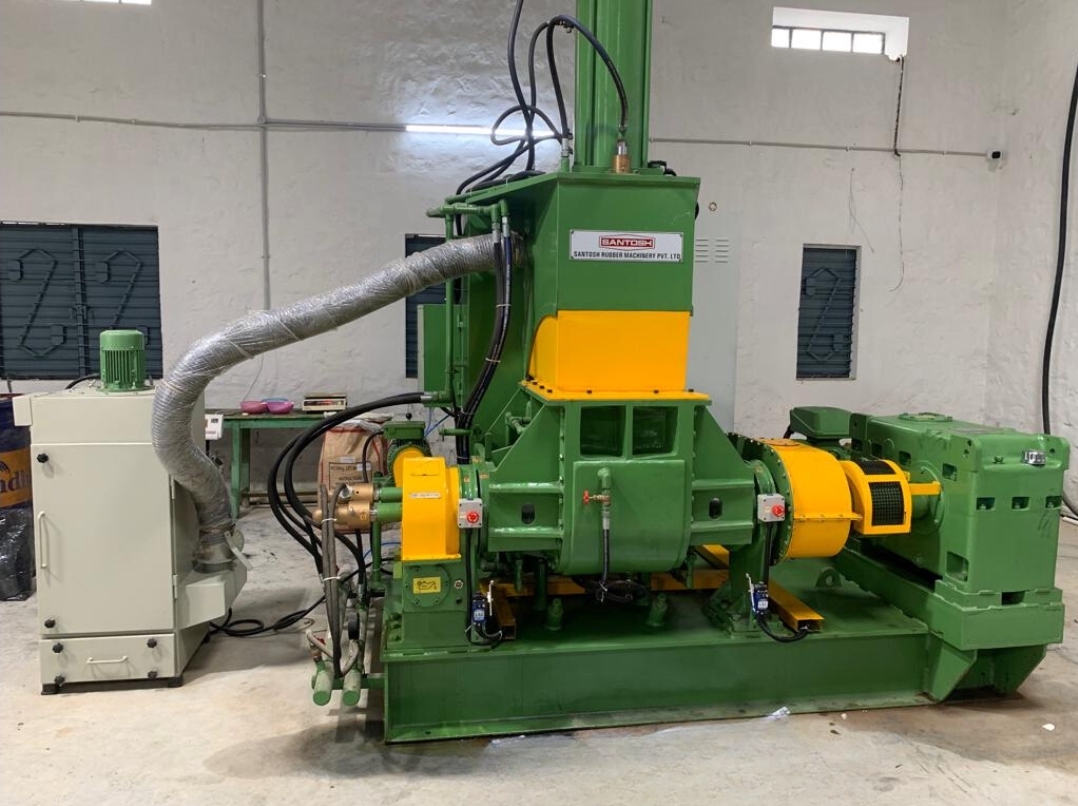
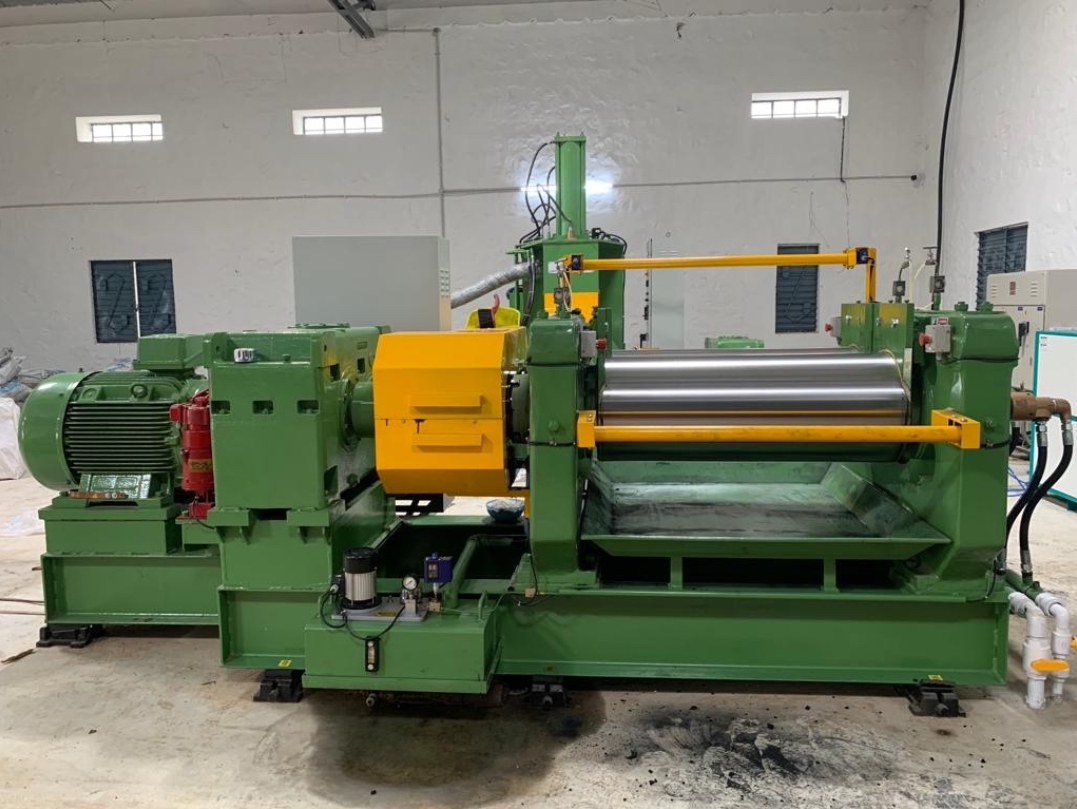
● Mastication, a critical phase, is executed on open roll mills and dispersion kneaders, placing emphasis on processing equipment to achieve optimal dispersion for high-performing rubber compounds.
● Our commitment to precision and quality shines through in our detailed Compound Approval Process, ensuring that each compound aligns with the exacting standards demanded by our diverse range of clients.
Surface Treatment
The quality of the adhesion between metal and rubber for rubber-metal bonded parts is one of the key factors affecting the performance of the product. In order to increase the quality of the bond, degreasing, sandblasting, automated application of the adhesive chemicals and oven drying are the main stages of the metal surface preparation or any other types of substrate.
Preparing the surface before the application of the adhesive will result in exemplary performance and life of the bond. The freshness and various parameters of the surface will influence the degree of bonding and strength. PSAP follows the best-in-class system to ensure a defect-free bonding process for different polymers with various metals.
Molding / Vulcanizing
The vulcanization of the rubber modifies its bodily houses and grows its hardness, modulus, tensile strength, abrasion resistance, aging houses, and swell houses; the above are proportional to the diploma of cross-linking for the duration of moulding. The moulding takes regions below excessive stress, temperature, and certain time. Our precise formulations encompass great magnificence compounds that carry out in traumatic environments in which temperatures are extreme, competitive media, excessive kinds of stress, and stringent standards.
The nicely blended compound is taken in step with its weight and brought into consideration for overflow and shrinkage. The rubber is then saved withinside the mildew profile and heated at excessive stress withinside the mildew till it transfers to the rubber and wafts to its geometry of the part.
The styles of mouldings integrated into PSAP are,
● Compression moulding
● Vacuum compression moulding
● Transfer moulding
Compression Moulding
Compression moulding is the handiest and oldest technique in mildew vulcanization and continues to be broadly used while a fantastically small range of bonded additives is required. Compression moulds range appreciably in size, form, and complexity and additionally comprise from one to a totally excessive range of cavities. .
This procedure is desired for open tolerance elements and non-essential elements used for easy applications. This technique puts a precut or fashioned slug, right into a two-piece mildew that is closed.
The strain implemented via means of the click forces the fabric to heal the form of the mildew, and the mild extra gift flies out of the rim of the mildew or through unique vents. This extra is called mildew flash. The wastages on this procedure are much less as compared to different moulding types. Can be desired for a maximum of the polymers to provide elements.
Vacuum Compression Moulding
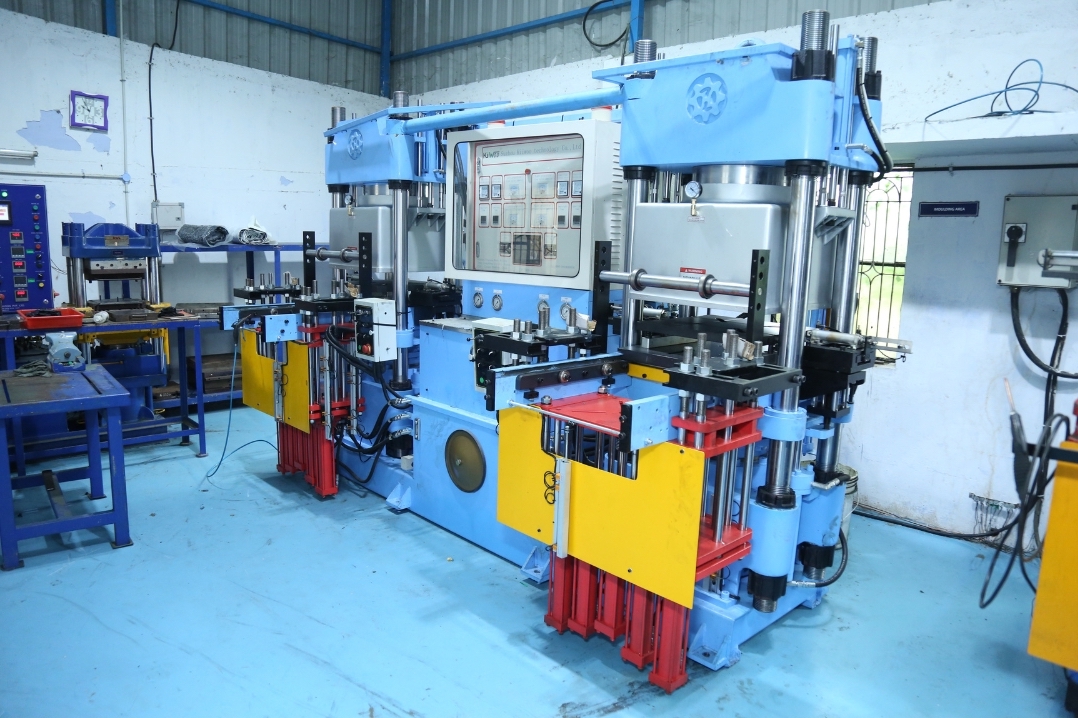
Vacuum Compression Moulding is similar to compression molding; it entails the vacuum chamber. It allows the advent of a vacuum for the duration of the primary segment of the curing cycle. The blessing of this technique is, it gets rid of backpressure inside the mould at the same time as filling the rubber into the component profile. In addition to backpressure, it sucks the flue gases launched withinside the preliminary segment of curing. The value of the gadget and mould is likewise better than compression moulding.
This technique is desired for problematic profiles and blow hollow unfastened component manufacturing. Most of the o-jewellery and seals are produced on this gadget. Currently, those machines are extensively utilised in technical component manufacturing.
Transfer Moulding
Transfer moulding, not like vacuum compression moulding, may be utilised in all varieties of press equipment. The gain of such moulds lies in their geometry for element glide and fill into extraordinarily complicated paths. The method includes the distribution of the uncured inventory from the switch pot into the real mould cavity.
This method lets in the moulding of complex shapes or the embedding of inserts in lots of merchandise and additionally for pretty essential and near tolerance parts; those strategies are tough and effects bad performances with the standard compression moulds.
Although the moulds are exceptionally extra high-priced than compression moulds because it calls for an extra wide variety of mould plates, the benefits of this moulding are higher warmness switch and uniform strain over the element cavity, resulting in constant dimensions from element to element.
The wastages also are excessive due to their sprues and pot flash. We can use the vacuum method for this moulding additionally and it is suggested for medium and decrease in quantities.
Rubber Bonding
PSAP has large know-how in bonding elastomers to a huge sort of different substances consisting of metals Bakelite and plastics to create custom-engineered composite seals. Composite seals comprise the seal and some other elements into one element to grow the overall performance and decrease assembling costs.
This procedure is desired for open tolerance elements and non-essential elements used for easy applications. This technique puts a precut or fashioned slug, right into a two-piece mildew that is closed.
We make sure higher bonding overall performance and are licensed through acting the precise exams through our group with profound information and skills. PSAP has included Robotic and automation in adhesive software guarantees consistency in pleasantness and strength. By introducing automation in the software of bonding agent and primer at the element, we are able to reap consistency as there’s no guide intervention.
Finishing
PSAP has diverse industry-main strategies for deflashing and completing the vulcanised component.
● Tear trim
● Manual trimming
● Vacuum deflashing
● Compression moulding
● Circular component trimming
● Cryogenic deflashing
Tear trim deflashing is especially for rubber elements and metallic bonded elements too. The shape of the flash is designed to deflash easily. The weakest phase of the molded component with flash having weakest sections, tear easily. The fee for deflashing is low in all kinds of deflasing systems, however, the lifestyles of the tear trim will wear out at some stage in its non-stop usage.
The bulk portions may be deflashed with the aid of using the spin trimming system with the aid of using a batch process. Manual deflashing techniques are nevertheless accompanied for a few regions wherein tear trimming profiles can’t be formed.
The Circular component deflashing is broadly used to shape unique sharp sealing edges utilized in shaft seals and sealing lip forming. Cryogenic deflashing is used to deflash rubber elements in bulk, used for blunt sealing rubber products.
Packaging and forwarding
At PSAP, our packaging strategy is tailored for cost-effectiveness, as we prioritize bulk packaging to reduce overall costs. Customized packaging solutions are a hallmark of our commitment, aligning precisely with customer specifications. We take pride in using eco-friendly and biodegradable materials, ensuring that all our packaging is free from toxic agents, contributing to a sustainable and responsible approach.
In line with international shipping standards and customer preferences, PSAP meticulously packs parts to mitigate environmental and safety risks. Our adherence to industrial regulations ensures that each package is prepared with precision, minimizing potential impacts on the environment and prioritizing safety throughout the shipping process. By combining efficiency with environmental responsibility, we strive to provide packaging solutions that align with the highest industry standards.
PSAP's dedication to customer satisfaction extends to the entire supply chain, with our packaging practices reflecting not only cost considerations but also a deep commitment to environmental stewardship and product safety.
Interested? Let's get in touch!
We’re here to help and answer any questions you might have. We look forward to hearing from you.